
Guide
Dry stone wall vs mortared wall: which is right for your garden?
A dry stone wall is built without mortar, held by the fit and weight of the stone. A mortared wall binds the stone with mortar on a concrete foundation. Dry stone drains freely, tolerates ground movement and can be rebuilt in sections. Mortared walls are more rigid and better where you need height in a narrow footprint.
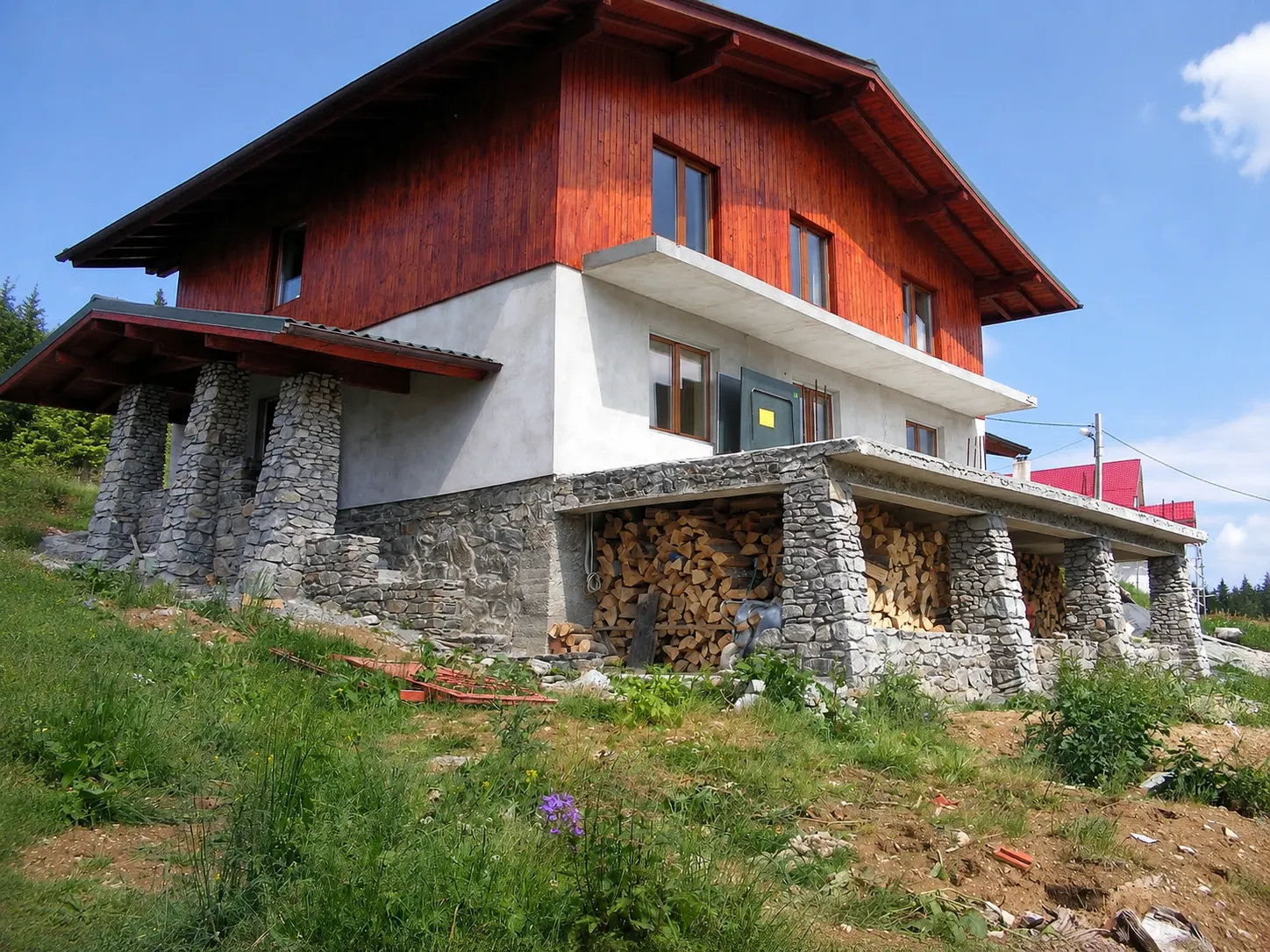
How is a dry stone wall built?
Stones are graded and placed so each one locks the ones below. The wall usually batters inwards, with a hearting core and coping stones on top. No mortar is used at all.
When is dry stone the better choice?
Dry stone suits gardens and rural boundaries.
- Where water needs to drain straight through the wall.
- Where the ground shifts slightly with frost or wet winters.
- Where you want a traditional Scottish field-wall look.
- Where a damaged section may need rebuilding later without disturbing the rest.
When is a mortared wall better?
Mortar helps where the wall is thin, tall for its width, or holds back a load. It also suits walls that must match nearby mortared stonework, such as a boundary beside an existing house wall.
Which lasts longer?
Both last a long time when built well. A dry stone wall fails slowly and locally, so repair is straightforward. A mortared wall fails when the mortar cracks or traps water, and repairs are less forgiving.
What about retaining walls?
A wall holding back soil is a structural job, not a decorative one. Height, drainage and the load behind the wall all matter, and the design should be agreed before building starts.
Does either need permission?
Height and position near a road or boundary can bring planning rules into play in Scotland. Check with the City of Edinburgh Council or your own local authority before building.
Official guidance
How Carpathian Craft can help
Constantin has 29 years in stone. We build dry stone and mortared walls, pillars and retaining walls around Edinburgh.
We give a free, no-obligation written quote. The price we quote is the price you pay.